#ptsd #posttrauma #trauma #bully

Health and Fitness – The Huffington Post
Vogue’s Exercise Tips For The Met Gala Are Seriously Intense
Going to the Met Gala this year? No? Neither are we. But don’t feel too bad about it. While we’re sitting on our couches, drinking wine, eating macarons and live-tweeting the event in our pjs, the “lucky” ladies in attendance will be wearing dresses that are being compared to weighted vests.

But fear not, fashionistas! Vogue has come up with the perfect solution for you. And that solution comes in the form of extreme exercise — pretty much every single day from now until the gala on May 5.

That’s right, the glossy has gone ahead and shared their strategies on how to prepare your body for the seemingly emotionally and physically draining event. As they put it, the elaborate gowns “require a toned arm (slender but not too muscular, or it will throw off the whole look), a beautiful back (imperative for strapless or sweetheart necklines) and proper posture (slumping in a dress that took months to make just feels wrong).”

So how do they suggest you achieve this dress greatness? Tips include (but are not limited to) doing cardio every single day, engaging your abs at all times, and even beating the crap out of your floor using heavy, weighted ropes. “Attack the floor with them like the floor’s your worst enemy. You can vent your frustrations while combating upper arm jiggle and cinching and tightening your waist,” said celebrity trainer David Kirsch.

Look, we’re the first to admit that beauty is pain, and we’re all about a healthy workout routine. But we have a few questions, like:

How heavy could the dresses actually be?

Is there really an exact correct ratio of arm to dress?

Can Vogue replace our hardwood floors after we ruin them?

By engaging our abs at all times, do you mean sleeping too? That seems difficult.

We’ll have to wait until the gala to see if the ladies have taken this advice to heart, but something tells us they’re going to look pretty great no matter what.

Boise Bipolar Center, Charles K. Bunch, Ph.D, Boise Idaho Therapist Mental health photo 2168_zps680c452f.jpg

#ptsd #posttrauma #trauma #bully

Health and Fitness – The Huffington Post
Rowing Together: How Public Health Supports the ‘Upstream’ Doctor
There is increasingly talk about moving “upstream” to improve health and reduce health care costs, e.g., working to prevent disease before it happens by addressing the social and environmental determinants of health.

Among those championing this upstream approach is Rishi Manchanda, M.D. In his TED book, The Upstream Doctors, Manchanda argues for more “upstreamists” — physicians who see their work as including a “duty not only to prescribe a clinical remedy but to tackle sickness at its source.”

As an example of upstream medicine in practice, Manchanda recounts the story of a former patient, Veronica, who suffered from severe chronic headaches. Her interaction with the health care system had resulted in inconclusive medical tests and an expensive visit to the emergency room, but no answers as to the cause of her headaches, let alone a solution.

Manchanda took a different approach.

He used a questionnaire to identify risk factors in her daily life and discovered that Veronica was exposed to mold and cockroach allergens that could be the cause of her health issues. Instead of subjecting her to more medical tests, she was referred to a tenants’ rights group and received a follow up visit from a community health worker from his practice. In three months, Veronica was feeling better and her headaches subsided.

Moving Beyond the Individual Patient

Veronica’s story illustrates how clinicians can effectively address the social determinants of health by using tools that assess a patient’s community and environmental circumstances, as well as by including non-medical providers as part of a health care team. This approach is a necessary evolution in the practice of medicine that will improve patient care.

But that’s not the whole story.

Even if clinicians address the social factors that contribute to a patient’s poor health, they are still working at the individual level, treating disease person by person. “Upstream” clinicians can be more effective if they partner with the existing, very capable governmental public health system.

Extending the health care team to include nurse practitioners, physician assistants, and other non-clinical staff including benefits counselors, behavioral and mental health counselors, community health workers, and pharmacy technicians brings value to the individual patient. A partnership with the public health department, on the other hand, allows us to improve health for the whole community.

If the local public health department had been involved in Manchanda’s practice, many more than just Veronica could have benefited.

Coordinated Surveillance and Investigation

Veronica’s story represents one snapshot of life within a large, thriving, complex community. This individual information has tremendous potential to tell us about the community and its health if it can be aggregated across individual medical practices and health care systems.

Sharing these data with public health officials allows for analysis at the community level and can identify places where several individuals have the same problem. When disease clusters are identified, public health departments have experts trained in disease investigation that can pinpoint social and environmental risk factors and then develop strategies tailored to reduce the incidence and complexity of disease.

If health care providers in a community had been sharing information about patients with the local health department, public health officials might have found that Veronica was not alone and many others were experiencing similar health concerns. The public health department could then gather information about where these people were living, potential environmental triggers, the frequency of tenant complaints filed with the local housing authority, and other variables that could help us understand the cause of this common health issue.

Community-Level Strategies and Actions

When a health issue is caused by a shared social or environmental factor, the local health department can act at a community level. For example, local health departments can engage local media to raise awareness of the problem or develop public education campaigns. If you have ever seen a public service announcement about wearing a seat belt, washing your hands to prevent flu, or vaccinating against disease, you probably have your public health department to thank.

These public health messages can have an even greater impact when they are tailored to specific neighborhoods and coordinated with health care providers. As a government agency, the local health department has regulatory and statutory options, which it can leverage to change health policies and promote regulations that directly address the root causes of disease.

In Veronica’s case, involving the local health department may have led to every rental property owner in the city receiving a letter reiterating their responsibilities as landlords. The local health department could have engaged the local housing authority to improve the oversight, monitoring, and enforcement of existing regulations or determine if new regulations were needed to improve housing conditions. In extreme cases, the local public health department could condemn buildings or revoke a property owner’s ability to rent a property.

Effectively Tackling Upstream Health Issues Requires Public Health Departments

Medicine alone cannot fix problems that are rooted in social and environmental determinants of health.

The Upstream Doctors presents a vision for clinical medicine that recognizes that treating disease is not enough. Manchanda’s perspective on upstream health issues is a step forward in transforming how we see and respond to issues of health and disease in our communities, but the local health department should be included as a partner that is skilled in addressing the social determinants of disease and capable of community-level action.

Today’s health care problems are rooted in individual health choices shaped by the many contexts in which people live. Medicine and public health simply cannot afford to continue to work in their separate silos. Public health and primary care professionals must start to see their work as components of an integrated health system if we are to improve health across the board, from clinic to community.

In The Upstream Doctors, Manchanda retells an oft-cited parable of three friends who see children drowning in a river. Two rush into the water to save the children. The third friend swims upstream, acting to “stop whoever or whatever is throwing these children in the water.”

Here’s a different spin to this story. What if that third friend recalled meeting the people who lived upstream and called them? With that phone call, they quickly take action to find and stop the problem at its source.

Both upstreaming solutions work, but isn’t it more effective to communicate with each other and align our resources rather than starting a series of long, upstream swims?

Boise Bipolar Center, Charles K. Bunch, Ph.D, Boise Idaho Therapist Mental health photo 2168_zps680c452f.jpg

#ptsd #posttrauma #trauma #bully

Stress News — ScienceDaily
Children significantly more likely to develop PTSD if mother afflicted
While fewer than 10 percent (8.4 percent) of the mothers were suffering from PTSD, more than a fifth (21 percent) of their children presented PTSD symptoms in a recent study on the topic. Children who developed PTSD symptoms also had more psychosomatic complaints such as constipation, diarrhea and headaches.

Boise Bipolar Center, Charles K. Bunch, Ph.D, Boise Idaho Therapist Mental health photo 2168_zps680c452f.jpg

#ptsd #posttrauma #trauma #bully

GPS for the Soul – The Huffington Post
Recovery Expressions That Blew My Mind
My first six months in recovery, it’s no exaggeration to say that I felt my mind expanding on a regular basis. Not only was I shocked that I didn’t actually have to ingest vats of cocaine up my nose every few days, but I was also astounded by the rules for living that I was suddenly being given.

I grew up in a house where my dad used to joke so often that the Golden Rule was that whoever makes the gold makes the rules, I never actually knew there was another Golden Rule. In short, I grew up believing that in order to be happy, you had to go to an Ivy League school, make six figures at your first job and sue people before they sued you. I had no idea that it was my self-absorption that was making me miserable, let alone that I had esteem issues and was angry to an almost un-live-able degree. Sitting in meetings, or just talking to people outside of them, I’d hear stuff that some could say was were nearly cliché-like in its simplicity but it made so much sense that I couldn’t help repeating it to nearly everyone I came into contact with. Some people didn’t get it — I already explained where I come from — but often those who did would think I was some sort of a genius (I’m reasonably certain I took credit at least some of the time). The expressions I got the most mileage out of were:

When you point a finger at someone, there are three pointing back at you.

I’ll never forget a guy named David saying this to me outside a meeting when I was maybe three months sober. I was complaining about someone — a skill I excel at, even today — when this guy who had what I thought then was a nearly unfathomable amount of sober time (five years, maybe?) casually offered up this chestnut as feedback. It was his way of saying that those things that enraged me the most about the object of my disdain were actually the exact same things I did when I was at my most egregious and that’s why I was so pissed off. (I did get a little hung up on trying to figure out where the fifth finger went, though.)

Resentment is like drinking poison and expecting someone else to die.

Oh, how this one blew my mind. I had spent a large portion of my life enraged at the various and sundry people I felt had wronged me (see above) and I truly, genuinely believed on a certain level that I was so powerful in my anger, my dirty looks and silent seething actually had an impact on them, rather than realizing it only made me look slightly unhinged. I thought I was protecting myself with all this anger, not realizing that the only one I hurt was me. This isn’t, of course, to say that I don’t occasionally still indulge in juicy resentments now and again.

I’m not much but I’m all I think about.

This one, and its stepsister, “I’m the piece of crap in the center of the universe,” was another one that stopped me in my tracks. Most of my life, my self-absorption had been off the charts and it was matched only by my self-loathing. And I didn’t have any idea until the day I heard this one and felt how much it resonated. Before recovery, I thought the world revolved around me but I also regularly told myself I was stupid and unlovable. Again, I’m much better now, but I still make some trips to the annex of self-obsession and self-hatred.

Expectations are resentments under construction.

Boy, were my expectations high back in the day — expectations of you mainly. This meant that I regularly wondered why I had such bad friends, horrible family members and terrible bosses. I basically decided that you were all going to do exactly what I felt you should and then felt incredibly hurt and resentful when you did not. And I had no idea I was writing scripts in my head for everyone to follow! I still have a hard time keeping my expectations low but I’m inspired by the most serene people I know, who seem to expect very little from other people and save a lot of time resenting them and expecting them to die.

Hang out in the barbershop long enough, and you’ll find yourself getting a haircut.

Okay I’ll admit that this is my least favorite of the five listed here, only because I think it sounds a little silly. But I’m wholly behind its message — which, to me, basically means that you’ll probably eventually drink if you bar hop with your old crowd, will have an urge for powder stimulants if you keep in touch with your dealer and will inevitably enter slacker-dom if you piss away your time with sad people who aren’t motivated. And also, of course, that your hair will surely come out shorter if you do a lot of time at the barbershop.

Need help with substance abuse or mental health issues? In the U.S., call 800-662-HELP (4357) for the SAMHSA National Helpline.

This post originally appeared on AfterPartyChat.

Boise Bipolar Center, Charles K. Bunch, Ph.D, Boise Idaho Therapist Mental health photo 2168_zps680c452f.jpg

#ptsd #posttrauma #trauma #bully

Health and Fitness – The Huffington Post
The Sweet Precedent of Flavored Milk
Being from the great state of Wisconsin, I of course grew up consuming milk. No matter which meal of the day, milk was always offered as a beverage option. If you are able to digest dairy and enjoy the flavor, milk can play an important role in providing nutrition. Nonetheless, most nutrients found in milk are available from plenty of other sources. You can have a healthy diet with or without the consumption of milk. The health issue surrounding milk that I want to address is the process of adding four teaspoons of sugar to milk, while still calling it a “healthy” beverage for children. The main drawback with sweetened milk, commonly referred to as flavored milk, is that it sets the precedent for overly sweet foods.

During my two years of public service through FoodCorps teaching children nutrition education, I experienced firsthand the sweet palettes of modern kids. Items like blueberries and garden fresh tomatoes are now not sweet enough. This sugary preference was often a limitation for them appreciating the average sweetness of fruits and vegetables. Children are learning that this is how food should taste and anything unsweetened is not enjoyable.

If chocolate milk were promoted as a treat, I’d be less concerned. This however is not the case. Too many times, I have walked into a cafeteria and seen posters exclaiming the health benefits of sweetened milk. I would also be less worried if flavored milk was consumed in a context of an overall less sweetened diet. Unfortunately, sugary breakfast cereals, fruit juice, and fruit juice sweetened canned fruit are the current norm for school breakfast and lunch menus. Currently there are no set limits for the amount of sugar for school meals. On average, one 8oz sweetened carton of milk contains 4 teaspoons of added sugar. The consumption of one carton already exceeds the daily sugar allotment recommended for children by the American Heart Association.

The common argument you will hear is that without sweetened varieties kids would not drink milk. As I stated previously, a healthy diet may or may not include milk. Children do not need to consume milk to be healthy. Also, the underlying assumption of sweetened milk is the concept of adding sugar to food until a kid enjoys it. This is a flawed logic and is not preparing students to develop a life long healthy relationship with food.

I’m not arguing for nutrition perfectionism and I strongly believe in enjoying indulgent foods, however, sweetened milk is often consumed on a daily or a twice daily basis. I’m not naïve and have seen how much students prefer sweetened milk. Of all the milk consumed in schools, 71 percent of it is sweetened. I’ve also read the stories of kids revolting and other issues with the removal of sweetened milk. A recent Cornell University study found that the removal of sweetened milk from schools led to a 8 percent decrease in milk sales and 29 percent of non-sweetened milk to be thrown out. These issues are connected to social norms that start with schools and families, so let’s begin to realize that we have the power to change the precedent.

To start the transition to more health promoting social norms, it is important for nutrition programs to promote incremental change. School districts can begin by making sweetened milk less prevalent in the milk cooler and less accessible. School advertisements promoting flavored milk as a healthy choice should be removed. Parents and nutrition education can assist in the promotion of such beverages as treats rather than staples. School food operations can make sweetened milk a dessert and only offer it once a week.

Accordingly, as new generations of children begin school, the option to choose sweetened milk can be slowly limited. Students expect these products because we currently make it socially acceptable to consume them. Children learn our cultural norms and preferences, and currently we are telling them that food has to be overwhelmingly sweet, setting them up for a lifelong preference which could negatively impact their future health.

Boise Bipolar Center, Charles K. Bunch, Ph.D, Boise Idaho Therapist Mental health photo 2168_zps680c452f.jpg

#ptsd #posttrauma #trauma #bully

Relationships News — ScienceDaily
Impact of Facebook unfriending analyzed by researchers
Two studies are shedding new light on the most common type of ‘friend’ to be unfriended on Facebook and their emotional responses to it. The studies show that the most likely person to be unfriended is a high school acquaintance. Both studies were based on a survey of 1,077 people conducted on Twitter.

Boise Bipolar Center, Charles K. Bunch, Ph.D, Boise Idaho Therapist Mental health photo 2168_zps680c452f.jpg

#ptsd #posttrauma #trauma #bully

Relationships News — ScienceDaily
Researchers compare hip width and sexual behavior
Hip width and risk of birth-related trauma may play a role in a woman’s decision to have sex. Women who were more inclined to have one-night stands had wider hips, reveals a study into how a woman’s build influences her sexual behavior. Results of the study show that the number of sexual partners a woman had is largely driven by one-night stand behavior. This, in turn, correlates with a woman’s hip width and not waist-to-hip ratio. Overall, women in this study with hips wider than 14.2 inches had more sexual partners and more one-night stands than women with hips under 12.2 inches wide.

Boise Bipolar Center, Charles K. Bunch, Ph.D, Boise Idaho Therapist Mental health photo 2168_zps680c452f.jpg

#ptsd #posttrauma #trauma #bully

GPS for the Soul – The Huffington Post
Reach Your Dreams With This Super Simple Step
There’s a really easy way to reach all your goals and dreams, but it’s something not many people do, or even realize is an option. It’s how I’ve built this business, shifted into healthier living and clean eating, and made a lot of amazing things happen in my life.

It’s so easy, everyone can do it… and yet they don’t.

So what is this super simple step that you can do to make your dreams a reality? Take one small step forward right now. Then do it again. Before you get mad at me for making action sound easy when it’s not, hear me out.

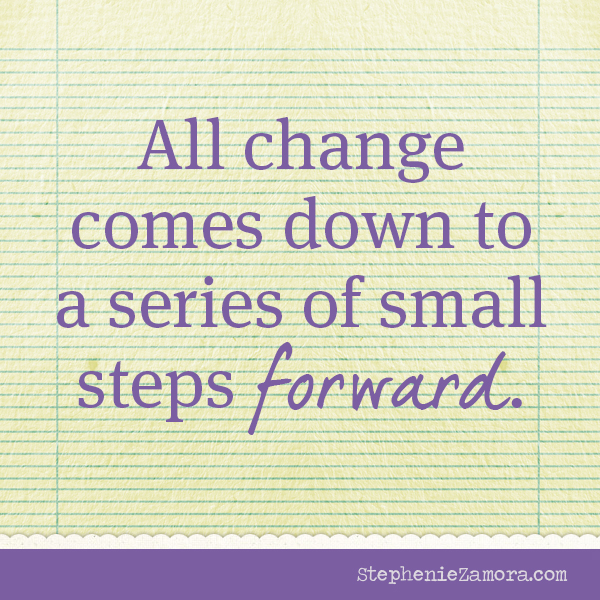
I know that action isn’t easy when it comes to big goals and dreams, believe me, I know! But the only way to make something happen is to take action towards it. The only way to take action towards your big goals and dreams, is to realize that bringing something to life isn’t about the big massive steps forward. It’s about all the tiny steps, tiny shifts, tiny trials and errors, tiny missteps, tiny successes, and tiny changes along the way. That’s all change is, a series of small steps forward.

2014-04-23-ChangeIsSmallSteps.jpg

A lot of people have told me lately they’re inspired by my clean and healthy eating. I think that’s awesome! But I didn’t get here because one day I declared I wanted to eat better and bam, everything was clean and healthy from there. So far from it. It started one day in Hawaii, probably about five years ago, when I decided I wanted to eat cleaner. So instead of buying cookies from the grocery store, I bought some “healthier” cookies from the health food store. Instead of regular peanut butter, I bought natural peanut butter. I stopped putting syrup on pancakes one day. I banned myself from eating certain foods one stomachache at a time. I tried new things. I read a book on going vegan. I went vegan. I tried vegan alternative foods. I started eating more whole and nutritious, less processed foods, one experiment at a time. I lapsed. I started eating natural sugars. I lapsed. I swore off cookies as a whole food group. I lapsed. And eventually I got to this space where I know a lot about clean eating, toxins in foods, how to actually feed myself (through, get this, cooking my own food), and what I personally can and cannot eat.

It definitely didn’t happen overnight and a year from now I’ll be even further into this healthy living journey.

One of my big goals is to run a half marathon and to “become a runner.” This is a massive undertaking for someone who used to die after a half mile on a downhill slope. I’m slow, I’m clunky, and I don’t really have the mental stamina for running, but I’m doing it. And do you know how I’m doing it? By putting one foot in front of the other, again and again. By taking one day at a time in the training plan.

Lastly, my business didn’t just pop up one day and become successful. It was a very different business when I started. I’ve launched many products and programs, some that were well received, some that weren’t. I’ve made enormous mistakes in my business with clients, finances, and everything in between. I’ve also had many small successes and wins. I’ve written hundreds of thousands of words, published more blog posts than I care to count, and slowly shifted my marketing and offerings over the months and years. I got to where I am because I took small steps every single day.

Take my Awesome Life Tips as an example… people love them and that mailing list is growing leaps and bounds every month. But it all started one day, two years ago, when I decided to post my first tip. Since then I’ve written almost 600 tips. One word after another, it’s grown into what it is today.

I know this isn’t what you wanted to hear.

You’d rather I share some make it happen fast trick that will catapult you forward.

But that’s just not the way it works.

That said, I do have some tips that will make those steps happen more quickly and with more ease, getting you to where you want to be much faster.

1) Stay in the present moment.

Don’t go off in your head and think about all the things between where you are now and where you want to be. That will just make you feel crappy and overwhelmed, which doesn’t inspire action. Just be here, where you are now, doing what you have to do next. Stay present and focused.

2) Keep taking action, no matter how small.

I know it doesn’t seem like tiny steps make a difference, but they do. They really, really do. If all you can write for your novel is one paragraph a day, that’s still way more words at the end of the month than you’d have if you didn’t write at all. Start, and keep taking action. There’s absolutely something you can do every single day towards your goals and dreams. No matter how small, it makes a difference and will get you there so much more quickly than if you do nothing at all. Break the big steps down until you have something you can do right now to move forward.

3) Celebrate your movement.

Again, stay in this moment and be proud of what you’re accomplishing rather than bummed about what’s left to do. The more you celebrate and appreciate your progress, the more motivated you’ll be to continue taking action, even when it seems like you’re standing still. Only compare where you are to where you were when you started. If you only have a little bit of progress to show for it, celebrate it, you’ve moved forward!

4) Eyes on your own paper.

Stop looking at what everyone else is doing and focus on your own work and goals. It’s easy to look at someone else’s success and think you’ll never get there. All that does is prompt you to give up. You have to remember, the person you’re looking at and comparing yourself to was once exactly where you are. Sure, sometimes it looks different, because we’re all on our own journey, but they started somewhere, too. They took action and it took time to get to where they are. There’s no such thing as an overnight success, it’s usually the tipping point after years of preparation, planning, and lots of action.

Take action now.

That’s it, just go take action right now.

Break your dream or goal down until you have something you can do right this moment. Then go do it. Don’t plan how you’ll do it or think about what would happen if you did it one way vs. another… just do it. Take that first tiny step forward.

Then do it again.

PS – I’ve just opened up two spots for a ridiculously awesome new coaching program that will accelerate the process of rediscovering yourself, uncovering your passion, and building a life and business around it. Learn more by clicking here!

Stephenie Zamora is the founder of www.stepheniezamora.com, a full-service, life-purpose development, design and branding boutique. Through her Mastery program, she merges the worlds of personal development and branding to help men and women build passion-based lives and businesses they love. Click here to access her free Foundations for Unshakable Joy™ video training series and learn the unexpected trick to transforming your life with one single question!

Connect with Stephenie on Facebook and Twitter!

For more by Stephenie Zamora, click here.

Boise Bipolar Center, Charles K. Bunch, Ph.D, Boise Idaho Therapist Mental health photo 2168_zps680c452f.jpg

#ptsd #posttrauma #trauma #bully

Health and Fitness – The Huffington Post
60 Creative Ways To Spice Up Chicken Breasts
Despite being packed with protein (which helps our bodies build and repair tissue and keeps us feeling full longer) and versatile in the kitchen, chicken breasts often get knocked for being boring, tasteless or just plain not good. But we guarantee that these 60 delicious recipes from around the web will breathe new life into the not-so-hallowed bird.

Boise Bipolar Center, Charles K. Bunch, Ph.D, Boise Idaho Therapist Mental health photo 2168_zps680c452f.jpg

#ptsd #posttrauma #trauma #bully

Health and Fitness – The Huffington Post
New Jenny Craig Program Effective Against Type 2 Diabetes, Study Shows
A new kind of Jenny Craig diet formulated specifically to help people manage their Type 2 diabetes has demonstrated its effectiveness in a new clinical trial — so much so, that the commercial weight-loss company launched a new program based on the study’s findings.

In general, participants who joined a Jenny Craig program lost more than three times as much weight as the control group, and 72 percent of the participants who were taking insulin to manage their condition were able to either stop taking it or reduce the dose, compared with just 8 percent of the control group.

But participants on the specially formulated Jenny Craig program for Type 2 diabetes were more successful at bringing down their blood sugar levels than those on the already-available Jenny Craig program.

“What’s nice about a clinical trial like this is that all my colleagues who have patients struggling with diabetes can know there are community-based programs that are healthy” to recommend, the study’s lead researcher Cheryl Rock, Ph.D., R.D., a professor of preventive medicine at UC San Diego Medical School, told The Huffington Post.

The study, funded by Jenny Craig, was published Wednesday in the American Diabetes Associations’ journal Diabetes Care. Diabetes affects 25.8 million Americans, according to the American Diabetes Association, and up to 95 percent of those cases are Type 2 diabetes. Left untreated, both forms of diabetes can cause blindness, kidney failure, hearing loss and lower-limb amputation, as well as increase the risk for heart disease.

All 227 study participants were either overweight or obese and had Type 2 diabetes. Researchers randomly divided them into three groups: the control group, the Jenny Craig program, or the Jenny Craig lower-carb program that was targeted toward people with Type 2 diabetes.

The control group received “usual care,” or the amount of medical attention a doctor would normally be able to prescribe for a patient with diabetes. This included two weight-loss counseling sessions, time with a dietitian, advice about exercise and general information about diabetes care. Researchers also checked in with them monthly.

The other two groups were put on free Jenny Craig programs, which included weekly diet and exercise counseling, as well as the company’s prepackaged foods and a menu plan. The prepackaged foods plan, which at first provided participants with three meals and three snacks every day, tapered off as the months went on. By the end of the year, those who completed the study were down to just one meal and one snack a day, if they desired.

The only difference between the two Jenny Craig groups was that one group was put on the specially formulated plan for Type 2 diabetes — a plan with higher dietary fat and lower carbohydrates than the usual menu. In the Type 2 diabetes plan, 45 percent of calories came from carbohydrates, while the typical Jenny Craig plan drew 60 percent from carbohydrates.

After 12 months, both Jenny Craig groups were much more successful than the control group at losing weight, shedding an average of 8.6 percent of their starting body weight (the control group lost just 2.5 percent). Both Jenny Craig groups were also more successful at keeping their blood sugar levels steady and lowering levels of triglycerides, which is fat in the blood that is linked to insulin resistance.

However, the lower-carb Jenny Craig group was slightly more successful at bringing down levels of HbA1c, a form of hemoglobin that rises when sugar in the blood rises. Throughout the course of the year, levels for the lower-carb group went from 7.3 percent to 6.6 percent, while the higher-carb group went from 7.5 percent to just 7.2 percent. Diabetes experts say HbA1c levels should optimally be under 7 percent.

That doesn’t surprise nutrition professor Frank Hu, M.D., Ph.D. of the Harvard School of Public Health. Hu wasn’t involved in the study, but he reviewed its findings and said they reaffirm previous research showing that a lower-carb diet is better for people who are trying to control diabetes. However, the Jenny Craig lower-carb plan is not to be confused with the popular protein-heavy Atkins diet, which draws as few as 20 percent of calories from carbohydrates. And to Hu, that’s a good thing.

“[The Jenny Craig plan] was a moderately low carb diet,” said Hu. “It’s probably more acceptable to more patients and it may also improve their long-term adherence.”

The study also reaffirms research that shows a structured program is better for people who want to lose weight.

“I think the important message from this study is that there is a need for structured program for weight loss,” said Hu. “Simply telling the patient to lose weight and eat better is not going to work. It doesn’t have to be Jenny Craig — it could be other commercial programs.”

However, study participants received Jenny Craig meals and counseling for free, which to Hu is the study’s biggest limitation.

“In a real-world situation without free meals, the question is whether these people can have the same weight loss and improvement in diabetes,” said Hu. “That’s not what’s studied in this report.”

Rock pushed back on Hu’s criticism, noting that the study was a clinical trial much like the proof-of-principle studies that researchers use to test medicine.

“In drug studies when we test effective medications, the medications are provided free of charge too,” Rock said. “But at the end of every drug trial, we don’t say, ‘Well gee, this doesn’t necessarily show the real world because people would have to buy their own medications and take them regularly.'”

To address the issue of the cost of Jenny Craig products and services, which she valued at $12 to $18 per day, Rock guessed that subjects would be spending that amount of money on their regular food anyway.

“In the real world, food isn’t free under any circumstance,” said Rock. Money spent on a Jenny Craig program, she said, would simply replace the money that participants might otherwise spend on “buckets of fried chicken and ice cream bars.”

As for when the Jenny Craig for Type 2 diabetes program will be available to the masses, more information on that is still to come.

Boise Bipolar Center, Charles K. Bunch, Ph.D, Boise Idaho Therapist Mental health photo 2168_zps680c452f.jpg

#ptsd #posttrauma #trauma #bully

Health and Fitness – The Huffington Post
How Financial Incentives Could Help Pregnant Women To Stop Smoking
A researcher who showed that financial incentives could push cocaine users to stay clean is trying out the same method on pregnant women who can’t stop smoking.

Stephen Higgins, Ph.D., a psychiatry professor at the University of Vermont and director at the Vermont Center on Behavior and Health, was the first to experiment in the late 1980s with giving cocaine users a retail voucher every time their urine sample tested negative for cocaine. Now, in a study published online this month in the journal Preventive Medicine, Higgins demonstrates that vouchers in escalating amounts for pregnant smokers more than doubled smoking abstinence rates during pregnancy and were associated with better fetal growth.

“Obstetricians are just pulling their hair out over what to do with this problem” of maternal smoking, Higgins told The Huffington Post. “Almost everybody knows that you shouldn’t be smoking while pregnant, yet these women kept smoking.”

The children of women who smoke while pregnant face higher risks of premature birth, low birth weight, cleft palate, asthma and sudden infant death syndrome, just to name a few.

Higgins’ study involved 118 pregnant smokers from Burlington, Vt. He divided them into three groups. The first received vouchers no matter what they did. The second group received vouchers in escalating amounts if they continued to refrain from smoking, which was verified with breath and urine tests. The third group were also financially rewarded for refraining from smoking, but they received the largest voucher amounts early on — the theory being that quitting smoking earlier has the biggest payoff for the fetus and is also the most likely predictor for abstinence over the duration of the pregnancy.

The study showed that both of the groups who were given incentives to quit smoking were more than twice as successful at quitting as the control group who received vouchers no matter what.

Ultrasound tests conducted throughout the pregnancies also found that babies born to the group who received escalating incentives (starting at $6.25) grew more than babies born to the control group. However, babies born to the women who had received the largest voucher amount upfront ($296.25) showed no difference in growth rates from babies born to the control group.

In total, a study participant had the potential to earn $1,180 over the course of her pregnancy. On average, participants in both groups given incentives earned $450 each. By comparison, the Centers for Disease Control and Prevention estimates that neonatal health care costs linked to maternal smoking in the U.S. cost about $366 million per year, or $740 per pregnant smoker. The financial argument seems like it could be a compelling one for federal and state health care plans that often subsidize the health care costs of women most likely to continue smoking during pregnancy: young, unwed, socioeconomically disadvantaged and more likely to have only a high school education or less.

“One of the implications of my study is, why don’t we think about using that money for this kind of incentive approach to keep the women from smoking and to keep the babies from in utero smoke exposure,” said Higgins.

Some states are experimenting with it now. In 2013, Wisconsin smokers who wanted to quit during pregnancy may have been eligible for a state study that offered them cash to quit. This year Oregon launched a similar program. Both states cited a desire to cut down on the rates of premature and underweight births.

The participants in Higgins’ study were all white women from a rural area, so more research needs to be done to test the effectiveness of anti-smoking incentives in other parts of the U.S. But based on his experiments with cocaine abstinence incentives, Higgins predicts that further studies would verify, not complicate, his findings.

“The early cocaine studies were done in Vermont with an exclusively Caucasian population, and then similar studies were done in Baltimore and Los Angeles, primarily with African-American populations,” explained Higgins. “We got the same results.”

More than half of female smokers (54 percent) quit smoking cigarettes when they find out they are pregnant, according to 2010 CDC data from 27 states. But that means the rest of them, almost 11 percent of all pregnant women, reported smoking cigarettes during the last three months of pregnancy.

According to Higgins, the most effective way to “lure” these pregnant smokers into abstinence is by offering larger financial incentives.

“How much matters a lot,” he said. “When you do incentive programs, you’ve got to offer a meaningful amount or you don’t get a response. And you usually get a better response with still larger amounts.”

Boise Bipolar Center, Charles K. Bunch, Ph.D, Boise Idaho Therapist Mental health photo 2168_zps680c452f.jpg

#ptsd #posttrauma #trauma #bully

Health and Fitness – The Huffington Post
Ever Wonder How They Test Marijuana For Safety? (VIDEO)
As marijuana goes mainstream in the U.S., people are asking new questions about weed. What makes some marijuana especially potent, for example, and how can marijuana be regulated to make sure legal weed doesn’t send them on a bad trip?

For answers to those and other burning questions about the chemistry of cannabis, have a look at the new video (above) issued by the American Chemistry Society as part of its Reactions You Tube channel. The video explains how marijuana’s active ingredient, tetrahydrocannabinol (THC), affects the brain, and how the marijuana-testing labs now springing up across the country test pot for safety and quality control.

To learn all the tricks of the trade in marijuana labs, check out the video.

Boise Bipolar Center, Charles K. Bunch, Ph.D, Boise Idaho Therapist Mental health photo 2168_zps680c452f.jpg

#ptsd #posttrauma #trauma #bully

GPS for the Soul – The Huffington Post
Our Future Depends on Spirituality and Science Working Together
It’s commonly accepted that science and spirituality are not compatible. Science is considered our reliable way forward, while spirituality often regarded as a sentimental relic of our past we can’t quite let go of. So to say it is necessary for the two to work together may seem unrealistic. For centuries, science has led our progress; spirituality, as indicated through participation in orthodox religion has been in steady decline. But the unorganized, personal aspect of spirituality is the subjective pursuit of value, reality, and understanding through individual experience or consciousness. This aspect of spirituality has not declined. Instead, the drive to find external solutions to global problems that have value to our interior world is more powerful than ever. The scale of our planet’s problems is too great to be solved without an integrated approach of science and spirituality. The power of consciousness needs the systemization of the scientific method, and the tools of science depend on the wisdom and creativity of individual consciousness to guide it in a meaningful direction.

More and more scientists are recognizing this need — in part because fundamental science has come to a place where the ultimate questions of matter and creation cannot be understood unless consciousness is accounted for and factored in. Consciousness may well be the common ground on which the objective and subjective worlds are derived and united. With this vision, scientists have begun to meet and discuss solutions to global issues of health, hunger, conflict resolution, climate change, and economic injustice from a perspective that joins science and spirituality.

The Sages and Scientists Symposium sponsored by the Chopra Foundation is just one of these gatherings and it will be held August 22-24, 2014 in Carlsbad California. It will bring together not only eminent scientists but also leading lights in spirituality based in the development of consciousness. Spirituality is rooted in the idea that a transcendent reality exists beyond the external realm of the senses. This is pure consciousness, the source of the subjective world or the mind as well the objective world of matter.

But the symposium talks are not focused on abstract questions of what preceded the Big Bang, or what is the nature of dark matter. Presentations are aimed at finding practical solutions for pressing issues like Alzheimer’s, clean water, obesity, women’s rights, hunger, and diabetes. Our future depends on the concerted effort of science and spirituality working together, because separately, neither has been up to the monumental task. Science works fine in everyday affairs without dealing with spirituality. And on the other side, spirituality can continue serving people’s spiritual needs as they go through their individual insights, crises and awakenings. However, unless the two views join forces, we won’t be using our full human capability to solve problems. Such a comprehensive human effort is precisely what global solutions require. Beyond providing a platform for addressing humanity’s problems, the joint efforts of science and spirituality promises to be the foundation for the next evolutionary leap in human potential.

www.choprafoundation.org

Boise Bipolar Center, Charles K. Bunch, Ph.D, Boise Idaho Therapist Mental health photo 2168_zps680c452f.jpg

#ptsd #posttrauma #trauma #bully

Stress News — ScienceDaily
Life stressors trigger neurological disorders, researchers find
When mothers are exposed to trauma, illness, alcohol or other drug abuse, these stressors may activate a single molecular trigger in brain cells that can go awry and activate conditions such as schizophrenia, post-traumatic stress disorder and some forms of autism. Until now, it has been unclear how much these stressors have impacted the cells of a developing brain. Past studies have shown that when an expectant mother exposes herself to alcohol or drug abuse or she experiences some trauma or illness, her baby may later develop a psychiatric disorder later in life. But the new findings identify a molecular mechanism in the prenatal brain that may help explain how cells go awry when exposed to certain environmental conditions.

Boise Bipolar Center, Charles K. Bunch, Ph.D, Boise Idaho Therapist Mental health photo 2168_zps680c452f.jpg

#ptsd #posttrauma #trauma #bully

Health and Fitness – The Huffington Post
Barbell Apparel Creates ‘Anti-Thigh Gap’ Jeans For Athletes With Muscular Legs
Sick and tired of squeezing their well-sculptured butts and thighs into ill-fitting jeans, a group of athletes in Nevada have taken matters into their own hands, creating their own line of denim tailor-made for those with athletic bodies.

“The Barbell Apparel team spends a minimum of 20 hours a week in the gym, and when we get off work, we’re snowboarding, mountain biking, motorcycling, and doing just about any adrenaline fueled movement you can think of,” the owners of the new clothing start-up explained on their Kickstarter page. “We were tired of struggling with jeans that didn’t fit, weren’t comfortable, and completely restricted our ability to move. So we decided to fix it.”

According to Fast Company, the Barbell team started off by taking the average measurements of their sporty, muscly friends. They soon discovered that the typical cut for denim simply doesn’t fit an athletic body type; so they went about designing jeans that would.

These are the anti-thigh gap jeans,” Hunter Molzen, co-owner of Barbell Apparel, told ABC News of the company’s products. “Athletes work hard for their strong, meaty thighs and they should be proud of them. It’s how human beings were built to function.”

On its Kickstarter page, Barbell Apparel promises to deliver jeans that are “made to fit comfortably over muscular legs by accommodating your quads and butt without forcing you to buy larger sizes for the small waist you work so hard for.” The jeans, made with a touch of spandex, are also described as comfortable and functional — perfect for an “active lifestyle.”

“We wanted jeans that were built for strong, powerful legs that would allow us to move completely freely and still look and feel like fashionable denim,” Molzen told Fast Company of the company’s philosophy. “Even for active people whose legs aren’t particularly muscular, we wanted to give them a denim option that allows them to have amazing flexibility and freedom of movement.”

(Story continues below)

pic.twitter.com/NAKjWIEJP6

— Barbell Apparel (@BarbellApparel) February 21, 2014

It seems Barbell Apparel’s philosophy has struck a chord with denim shoppers.

As ABC News points out, Barbell’s Kickstarter campaign met its funding goal of $15,000 in just 47 minutes. At press time, the campaign had more than 830 backers who have pledged more than $110,000.

Would you buy jeans made for an athletic body type? Tell us below!

Boise Bipolar Center, Charles K. Bunch, Ph.D, Boise Idaho Therapist Mental health photo 2168_zps680c452f.jpg

#ptsd #posttrauma #trauma #bully

Spirituality News — ScienceDaily
Impact of Facebook unfriending analyzed by researchers
Two studies are shedding new light on the most common type of ‘friend’ to be unfriended on Facebook and their emotional responses to it. The studies show that the most likely person to be unfriended is a high school acquaintance. Both studies were based on a survey of 1,077 people conducted on Twitter.

Boise Bipolar Center, Charles K. Bunch, Ph.D, Boise Idaho Therapist Mental health photo 2168_zps680c452f.jpg

#ptsd #posttrauma #trauma #bully

Health and Fitness – The Huffington Post
5 Things The Greeks Can Teach Us About Aging Well
There’s a lot we can learn from the Greeks, no doubt. Some of the greatest (and wisest) minds who ever lived were Greek… Socrates, Plato, and Aristotle to name a few. We can thank them for things like democracy, the Olympics, and heck, even the Pythagorean Theorem. Oh, and don’t forget gyros.

And the land itself, well with sunny islands, clear blue Mediterranean water, and some of the world’s most delicious food, it’s good being Greek. But the Greeks aren’t just living well, they’re also living long.

Ikaria, a small Greek island, has been dubbed a “blue zone,” one of the few places in the world where people lead healthy, active lives past the age of 100. The percentage of people living beyond 90 in Ikaria is much higher than the average for all of Europe.

In fact, a study found that people on this island are living to 90 almost three times as often as Americans, and are far less likely to develop Alzheimer’s or depression. And researchers think it might just be more than coincidence.

Their low-stress lifestyles, level of physical activity, and a few other habits unique to their culture could be the secret.

Here are five things the Greeks can teach us about aging well:

1. They know how to take a break from the stresses of daily life.
nap greek
As with many countries with hot climates, people in Greece stop midday to take a quick, but restorative nap. In some areas, you’ll even find shops and businesses closed during this time so employees can take a break. Harvard researcher Dimitrios Trichopoulos says while naps may seem to break the flow of your day, they actually double it, giving you the energy and second-wind to be productive the second half of your day. It’s something we could especially benefit from in the hectic pace of life stateside.

“In the way life is organized here, you start with stress commuting and you finish with stress, which is again the commuting. So to have in the middle of the day a time when you can relax, it can only be good, or at least not bad,” he told NPR.

In his research, Trichopoulos found that Greek men who napped just half an hour a day were much less likely to have heart attacks, most likely because of the stress-busting effect of an afternoon siesta. Opa!

2. They drink to their health.
greek coffee
Even the Greeks’ morning Joe is superior to ours. Boiled Greek coffee is a staple in Ikaria and it’s good for more than just shaking off your morning grogginess. Researchers found that Greek coffee is loaded with polyphenols and antioxidants which protect your body from aging and a variety of chronic diseases. Drinkers of this liquid gold were found to have improved endothelial function — which protects your blood vessels — compared to those who drank other types of coffee.

And their night cap of choice? A mountain tea, made from native herbs like delicious sage, mint, and rosemary. Local physicians say it’s as good as medicine.

3. They’ve been blessed by Aphrodite.
greek aphrodite statue
Don’t be fooled into thinking sex is for the young. A good romp is just as fun and beneficial as you get older, and the Ikarians are onto it. In a study of Ikarian men between ages 65 and 100, four out of five claimed they were still having sex regularly. What’s more is a quarter of those men said the sex was pretty darn good, with them being able to last a considerable amount of time. With the immunity boosting, stress-busting, and anti-aging benefits of sex, it’s no wonder they’re living so long.

4. Their diet is heart-healthy.
greek diet
Greek cuisine might make you think of fatty gyros and spanakopita, all finished off with a super-syrupy piece of baklava. But they’re actually eating a lot cleaner than that. Think the freshest olive oil, a rainbow of vegetables, tons of lentils and beans, while taking it easy on the meat. For breakfast, you won’t find locals chowing down on McMuffins. Instead they’ll opt for something like some high-protein Greek yogurt with a touch of honey. Lunch and dinner will be loaded with fresh vegetables, fruits, and plenty of legumes.

Their natural “diet” is basically what the new-age “Mediterranean Diet” is. The Mediterranean diet has been linked with benefits ranging from a lower risk of heart disease and cancer, to even lessening the likelihood of developing Alzheimer’s.

5. Family is everything.
elderly greece
If “My Big Fat Greek Wedding” is your only exposure to Greek culture… you’re not too far off, at least when it comes to family. A welcoming sense of community and family ties are a major part of life in Greece. Joint families are quite common compared to other Western countries.

Our own Arianna Huffington recalls her tight-knit upbringing. “I was very close with my family — my mother lived with me while I was married and helped me raise my kids. She was like a second mom,” Huffington said in an interview with Into the Gloss.

In Ikaria, a typical evening routine includes visiting neighbors. It’s almost hard to be alone, which is so important as we age. “We keep the old people with us. There is an old people’s home, but the only people there are those who have lost all their family. It would shame us to put an old person in a home. That’s the reason for longevity,” Ikarian real estate agent Eleni Mazari told The Guardian.

Studies have not only shown that older people tend to eat worse when they’re alone, but loneliness in later life can lead to poor health and earlier death.

Boise Bipolar Center, Charles K. Bunch, Ph.D, Boise Idaho Therapist Mental health photo 2168_zps680c452f.jpg

To Plank or Not to Plank?

Posted: April 22, 2014 in balance

#ptsd #posttrauma #trauma #bully

Health and Fitness – The Huffington Post
To Plank or Not to Plank?
One of the big developments in core training over the recent past is the use of “plank” exercises. As a personal trainer in her 50s who trains many clients in that age range, I for one am a fan of planking for many reasons. But there are also situations in which this is contraindicated, which I’ll discuss a bit later. Let’s first look at the reasons that planks are recommended.

In my professional opinion, we can only do spine-flexing crunches for so long until it becomes a problem — especially for those with osteoporosis (not recommended at all). Imagine taking a metal rod and bending it over and over again a thousand times. It’s probably going to break! I’m not suggesting that your spine will break. But I am suggesting that it can only take so much wear and tear before another option is required to strengthen core muscles. Planks are a wonderful alternative, as they increase core strength and spinal stabilization while maintaining a neutral spine, thus eliminating the constant flexing and extending of the spinal column. In addition to that, multiple muscles are trained isometrically at one time, making it a wonderfully efficient exercise — just the way your body was designed to function.

A “front plank” is one example of a plank exercise that trains many muscles simultaneously. In addition to strengthening the abdominals and low back muscles, the upper body muscles that fire at the same time are the chest, shoulder, upper trapezius/neck, biceps and triceps muscles. Lower body strengthening occurs in glutes, thighs, and calves. Not a bad deal, considering all you have to do is hold this position for a few seconds, right? Sign me up!

The “side plank” is my favorite exercise for training obliques. In addition to engaging many of the previously discussed muscles, it really emphasizes using the obliques to stabilize the spine and pelvis — key to a healthy spine.

Last, the “reverse plank” isolates and strengthens the gluteal muscles, hamstrings, abs, and low back — not to mention the upper body muscles holding you up.

As simple as these exercises may look, they’re not easy. As with any exercise, if not done with good technique, there is a risk of injury. Here’s where the down side of planking comes in. If you feel any neck or low back pain while doing the exercise, this may be an indication of weakness in the upper or lower regions of the spine. If the core is too weak, the spine will sag, causing compression in the vertebrae, pressure on vertebral discs, and/or shoulder joint inflammation. If any of these apply to you, it would be best to first work on building basic strength in these areas with more traditional exercises. Or you can try approaching the plank in a modified position, such as with knees on the floor when doing the front/side planks. This will allow you to work up to the more advanced plank positions.

Additional benefits of plank training include improved posture and balance, making daily functional activities easier. These benefits are awesome, but don’t overdo it! When just starting out, I recommend holding the position for shorter bouts of time (5-10 seconds), depending on your level of conditioning. After a week or two, try increasing your time (10-15 seconds), and continue this until you’re able to hold the plank for at least a minute. You will see and feel a difference in your body. Again, this is one of those “more bang for your buck” exercises, so go for it and plank your way to good health and fitness!

Boise Bipolar Center, Charles K. Bunch, Ph.D, Boise Idaho Therapist Mental health photo 2168_zps680c452f.jpg

#ptsd #posttrauma #trauma #bully

Health and Fitness – The Huffington Post
Students Give Haircuts To Homeless People, Help Them Start Spring Fresh
It’s about more than just a haircut.

Students at Vanguard School of Cosmetology, a Paul Mitchell partner school, used their scissors for good Wednesday when they visited the New Orleans Mission, WDSU reported. They provided free haircuts to about 60 men and women who wanted new looks for spring.

“I like it,” Dale Lacour told WDSU as he got a haircut. “I mean, it’s very nice for people to come here to the New Orleans Mission. The New Orleans Mission helps out a lot of people.”

The students at Vanguard aren’t the only ones who realize the value of a good trim.

Last June, an 82-year-old man made headlines when he was banned from giving homeless people in his community haircuts and food in exchange for hugs. Fortunately, Anthony “Joe the Barber” Cymerys was allowed to return to his haircutting duties.

“It’s all about inspiring people to do things for the least of our brothers,” he said at the time.

You can watch the inspiring video of Vanguard students in action on WDSU.com.

Like Us On Facebook
Follow Us On Twitter

Boise Bipolar Center, Charles K. Bunch, Ph.D, Boise Idaho Therapist Mental health photo 2168_zps680c452f.jpg

#ptsd #posttrauma #trauma #bully

Health and Fitness – The Huffington Post
America’s Sugar Addiction Threatens Our Identity
As a child raised in Italy, I learned early on that experiencing pleasure was an important part of life.

Whether through Michelangelo’s inspiring expressions of the human figure across the ceiling of the Sistine Chapel or the clean and tailored lines of Armani clothing in the windows of his store on Via Condotti in Rome, Italian society taught me to appreciate quality above all else because in quality came true pleasure.

Nowhere was this lesson emphasized more than in my mother’s kitchen.

Every morning, my day would start the same way. I still remember how the sweet and creamy taste of a glass of fresh milk complemented the tartness of my first bite of a crisp apple, usually followed by the crunchy warmth of a toasted piece of bread with marmalade. It was simple, clean, and delicious. By today’s standards, though, where mini cookies and chocolate peanut butter cups are considered cereal, my childhood breakfast was strangely healthy. But my parents weren’t particularly health-conscious individuals. I was eating fresh foods because that was the norm. We drank mineral water with every meal. Soda was reserved for special events like the birthday parties of my friends. We savored the sugary drink when we got it because it was an infrequent indulgence.

When I moved to the U.S. in 1994 at the age of 15, I quickly learned that in America, pleasure didn’t come from quality but from quantity and immediacy. Sugar was in everything from breakfast cereal to “healthy” yogurt snacks. Soda was readily available any time I wanted in the vending machines at school, and king-size candy bars were large enough to give me a stomachache if I tried to finish them in one sitting.

Twenty years later, as an artisan candy maker, I am always left feeling dismayed by a trip to my local supermarket. Even when you put aside the dizzying array of brightly-colored, artificially-sweetened bags of candy in the candy aisle, there is no doubt that we are a nation addicted to sugar.

From ketchup to canned peaches to bread, sugar is added to practically everything we eat. It’s not surprising from a business perspective — after all, humans crave sugar just as they crave salt and fat. It was only a matter of time before some marketer thought chocolate dipped potato chips was a good idea.

That the overabundance of sugar in our diet has led to a host of health problems, including increased rates of obesity, is no secret. Most recently, a study by the Center for Disease Control and Prevention found that the risk for cardiovascular disease death increases exponentially as you increase your consumption of added sugar.

But our sugar-saturated diet doesn’t only threaten our physical health. As a society, our overuse of sugar has dulled our ability to appreciate it and the foods we flush it with. A 2011 study found that consuming just two sugary drinks a day can dull our sensitivity to sweet tastes. Given that Americans eat 31 percent more packaged foods, which often add sugar to extend shelf life, than fresh foods, it’s no surprise that children today often need their milk to be strawberry pink or chocolate brown in order to drink it.

As we continue to pump our food with added sugar, we not only risk dulling our ability to taste, but risk the very richness of our cultural identity. Regional subtleties in flavor are being masked by a mass produced singular sweet taste. Today, for example, when most Americans think of barbeque sauce, they think of the Kansas City-styled sauce, which is thick and sweet from the sugar in contains. Far fewer people are familiar with the Texas or Lexington-styled sauces, which don’t use sugar or the Memphis-style, which uses molasses as a sweetener. When all barbeque sauces begin to taste the same, we lose the opportunity to compare and appreciate the uniqueness in each one.

To be sure, sugar has its place at the table. If people want the option to eat Peeps year-round instead of just at Easter, so be it. However one chooses to consume it though, sugar should be enjoyed in a limited fashion so we can appreciate it when we taste it and still experience the wider pallet of taste possibilities. If everything tastes sweet, then in truth, nothing really is.

In Italy, there is a concept called il piacere della tavola, or “the pleasure of the table.” It refers to the joy of eating good food in good company. If we continue to allow the taste of our food to be homogenized through the use of added sugar, we will not only rob ourselves and future generations of a vast and diverse culinary tradition, but an integral part of our human experience.

Boise Bipolar Center, Charles K. Bunch, Ph.D, Boise Idaho Therapist Mental health photo 2168_zps680c452f.jpg

On CrossFit and Risk

Posted: April 22, 2014 in balance

#ptsd #posttrauma #trauma #bully

Health and Fitness – The Huffington Post
On CrossFit and Risk
Growing up, my mom would often tell me “When I was ten, I broke my ankle taking a giant step in the backyard playing a game of SPUD. Heck, if you can break your ankle taking a giant step, you might as well go out and do something more fun.” Fortunately, she has supported me through many such fun experiences over the years. But, like most parents, she has also instilled in me the fact that there is a certain amount of risk associated with doing just about anything in life. The responsibility falls on each one of us to evaluate and decide how much risk we are willing to take on in order to reap the potential rewards of our actions.

I have become increasingly familiar with the concept of balancing risks and benefits through my medical training. Though every medication comes with a laundry list of side effects, and there is risk with “going under the knife” for any surgical procedure, these treatments regularly save lives and reduce the burden of disease. Ironically, the hospital — the place to which we go for life-saving interventions — is also one of the most dangerous places to spend time as a patient. Deaths related to medical errors have been reported at 98,000 — 400,000 per year, the upper limit of which would make preventable medical errors the third leading cause of death in the U.S. behind heart disease and cancer. (1-2) Despite ongoing and diligent efforts to improve patient safety, receiving medical care at a hospital is still accompanied by substantial risk. Yet, in times of compromised health, the potential benefits of hospital care still greatly outweigh this risk.

While preparing for my career in medicine, I’ve also spent the past five years involved in CrossFit. Although I am aware of frequent discussions in the media of its “dangers,” my decision to participate in CrossFit is no different than any other — I heed my mother’s advice and work to reasonably mitigate the risks and maximize the benefits. The benefits of CrossFit are incontrovertible: increased work capacity across broad time and modal domains, in other words, increased fitness. Whether measuring fitness with a maximal effort treadmill test or the ability to stand from a seated position on the floor, it is well-established that increased fitness reduces one’s risk of death. (3-5) In fact, having a better level of fitness decreases your risk of death more than controlling other risk factors such as your blood pressure, cholesterol and blood sugar. (6) Quite simply, performing constantly varied, functional movements at high intensity (aka CrossFit) will result in increased fitness, and therefore better your chances of living a longer, healthier, more functional life.

The story of Pete, a middle-age member of CrossFit Painesville, exemplifies the positive impact CrossFit can have. After a decade of being overweight and requiring an intensive medication regimen to keep his cardiac risk profile “within normal limits,” Pete walked into his local affiliate to give CrossFit a try. Despite challenging workouts and persistent soreness in the initial weeks, he decided to continue with his training. Eventually the soreness subsided and he became stronger, faster, and learned several new skills — his fitness improved. He went on to lose more than 30 pounds and cure his diabetes, hypertension and sleep apnea. Instead of continuing down a road of worsening chronic disease and more medications with their inherent side effects, he chose to endure CrossFit’s discomforts in order to reap the benefits of a fully functional and medication-free life. Pete’s story is not uncommon — nearly every affiliate around the world is likely to share a similar story about at least one of its members.

Yes, the risks of participating in a CrossFit program are also undeniable, ranging from soreness (highly likely), to a temporary musculoskeletal injury (less likely), to a catastrophic injury that permanently reduces physical capacity (very unlikely). Although stories of injuries sustained doing CrossFit run rampant on the internet, these same injuries and much worse are seen in our favorite sports and recreational activities.

Personally, I’ve had more severe injuries over my years competing in gymnastics than in CrossFit, but no one ever suggested I should stop doing gymnastics. In honor of the glorious winter we’ve just survived, we can also examine the similar examples of skiing and snowboarding. According to CNN, there are about two to three injuries from snow sports per 1000 participants per day.(7)

When high-profile skiing accidents bring scrutiny to the danger of winter sports, the International Society for Skiing Safety responds appropriately by advocating professional instruction, taking your time, and using correct equipment as ways to decrease the risk of injury. Under these guidelines, more than 100 million individuals still chose to take to the slopes in 2013 alone.

In comparison, a study published in the Journal of Strength and Conditioning Research, albeit small and with high potential for bias, reports an injury rate of 3.1 per 1000 hours trained using CrossFit.(8) Similarly, joining an affiliate and working with a qualified trainer, adhering to CrossFit’s mantra of “mechanics, consistency, intensity,” avoiding overtraining, and spending time on recovery (hydration, nutrition, sleep, mobility) are important ways to decrease your risk of an injury while still reaping the benefits of CrossFit training. Just as with snow sports, the risks of participating in a CrossFit program should not dissuade responsible participation.

Every once in a while, risks associated with the things we do become real — they exit the realm of statistics and remind us that we are human, as they did for many CrossFit athletes in the case the spinal cord injury sustained by Kevin Ogar in January. Of note, it is important to distinguish the elevated risk assumed by a high-level competitor over that of a recreational athlete. In pursuit of the benefits of high-level competition, we increase our training hours, perform more advanced maneuvers, and more aggressively push the limits of our bodies.

Kevin’s accident forced me to pause and realize the risks I assume by competing in a high-level sport, as I’m sure it did most of my peers around the world. But what I can also state with confidence is that none of us has since thrown in the towel. The rewards we reap in the pursuit of peak fitness are too great to abandon for a small risk of a catastrophic event over which we have very little control.

In fact, the rewards of improved functional physical capacity are exactly those which best prepare us to endure and recover from such an injury. Kevin continues to do CrossFit today because he understands its importance to his well-being and his rehabilitation.

Similarly, after breaking her neck in a car crash, the strength Miranda Oldroyd had developed through CrossFit likely saved her from being paralyzed and also aided her quick and complete recovery. In these cases, the reasons for training functional movements become more obvious — in order to most successfully navigate life, we must build capacity in the movements life demands of us. When injury befalls us, these movements also provide the best rehab for meeting life’s demands.

Whether you are taking a giant step, racing down black-diamond slopes, or performing constantly varied functional movements at high intensity, life is dangerous. Everything we do has some associated level of risk and benefit. We walk around every day not knowing the exact level of risk and benefit associated with most of our actions, yet it remains our responsibility to decide what’s worth pursuing. I, for one, see an overwhelming benefit to pursuing increased fitness, despite its risks. The soreness, pain and even emotional ups and downs I experience in this pursuit are worthwhile knowing that I am preparing my body to surmount any physical task, recover from a catastrophic injury, and live a long, functional life with as few visits as possible to the “oh-so-dangerous” hospital.

______________________________________________________________________________

IOM (Institute of Medicine). To Err is Human-Building a Safer Health System. Washington, DC: The National Academies Press; 2000. http://www.iom.edu/~/media/Files/Report%20Files/1999/To-Err-is-Human/To%20Err%20is%20Human%201999%20%20report%20brief.pdf
James JT. A new, evidence-based estimate of patient harms associated withhospital care. J Patient Saf. 2013 Sep;9(3):122-8.
Blair SN, Kohl HW 3rd, Paffenbarger RS Jr, Clark DG, Cooper KH, Gibbons LW. Physical fitness and all-cause mortality. A prospective study of healthy men and women. JAMA. 1989;262(17):2395.
Berry JD, Willis B, Gupta S, Barlow CE, Lakoski SG, Khera A, Rohatgi A, de Lemos JA, Haskell W, Lloyd-Jones DM Lifetime risks for cardiovascular disease mortality by cardiorespiratory fitness levels measured at ages 45, 55, and 65 years in men. The Cooper Center Longitudinal Study. J Am Coll Cardiol. 2011 Apr;57(15):1604-10.
de Brito LB, Ricardo DR, de Araújo DS, Ramos PS, Myers J, de Araújo CG. Ability to sit and rise from the floor as a predictor of all-cause mortality. Eur J Prev Cardiol. 2012 Dec 13.
Myers J, Prakash M, Froelicher V, Do D, Partington S, Atwood JE. Exercise capacity and mortality among men referred for exercise testing. N Engl J Med. 2002;346(11):793
http://edition.cnn.com/2013/01/14/sport/skiing-risks-deaths-injuries/index.html
Hak PT, Hodzovic E, Hickey B. The nature and prevalence of injury during CrossFit training. J Strength Cond Res. 2013 Nov 22

Boise Bipolar Center, Charles K. Bunch, Ph.D, Boise Idaho Therapist Mental health photo 2168_zps680c452f.jpg

How Creative Fear Lets You Thrive

Posted: April 22, 2014 in balance

#ptsd #posttrauma #trauma #bully

GPS for the Soul – The Huffington Post
How Creative Fear Lets You Thrive
I shoved fear into the dark corner of the studio, where it looked at me with longing as the lights shined on my face. I smiled. Or at least I think I did, as I said hello to Arianna Huffington, who I was interviewing for a series on satellite radio. Seven years ago.

I asked her fearless questions about fear itself. But I feared myself.

She explained how she overcame fear to get to the other side. But after the interview, the other side seemed silly. So I chose to stay in fear, with the voice of Morgan Freeman narrating my plight.

My fears knew me. They liked me. Or at least that’s what Morgan Freeman was telling me in my head. My fears wanted me to stay difficult, and dark. They embraced the act of trying to transcend something. But never quite seeing the light.

Connecting with fears can transform your truth. It’s the ultimate duality. Like a purposeful pain that makes everything ok. It intensifies imagination, and allows longing to linger. It wanders. It seeks. It’s in this essence that you can engage with your errors. And hear the echoes of heartbreak. It’s only here where you can harness where humanity lies.

These tiny cracks of chaos in our souls can teach us what it means to be human.

Without these cracks, and without the voice of fear, we become hollow. And while meaningless media and insta-quotes can instantly fill us up, we’re often cured without struggle. We become superficial. And sapped.

Sure, Throwback Thursdays allows nostalgia to seep through our pores. But we’re all suffering from the same vertigo at our cores. It’s like we’re watching the same black and white movie, and not aware of the fact that the actor picked up a cell phone — and the year is 1920.

Life is not on our screens. And as much as I want to be seen, be heard, and be validated by social media, it’s the duality of this digital existence that often disconnects. And divides.

The echoes of our egos cause us to crave connection that isn’t really real. It’s this pressure to always be something that can pursue us to be nothing — but a banal blip in someone’s scrolling.

Creative fear dances with the curious mixture of freedom and nostalgia. It slaps truth on the table, peppers it with passion, and massages more meaning into things that are possibly better left unsaid.

But unsaid things often slap back. Years later.

And then I think of seven years ago. And remember how connecting with someone felt like a bud blooming in snow-covered silence. You didn’t need the noise of nostalgia blaring through the speakers of social. You could simply sit in solitude, with your fingers sweeping away the snowflakes, making magic. Not needing to mute.

Today’s endless lack of silence can steal our solitude. We’re drowned and drunk in the updates of utopia. But what do we gain?

We gain a lot when we detox the digital chaos at our core. When we learn to appreciate the void, and listen to the torturous sound of silence, we get liberated. We emerge with memorable music, not possessed by any mechanism, except the symphony of our smiles.

Creative fear requires grit and grace. It’s not something you ace. You fall. You stumble. You mumble. You stay human. And then you wake up, and breathe into the freedom of becoming fearlessly aware. So you can tune out the blare.

And that’s when you thrive.

Boise Bipolar Center, Charles K. Bunch, Ph.D, Boise Idaho Therapist Mental health photo 2168_zps680c452f.jpg

#ptsd #posttrauma #trauma #bully

GPS for the Soul – The Huffington Post
How You Say It Is More Important Than What You Say
A friend of mine called me last week and said she had something she needed to tell me. She prefaced it by telling me it was really awful, she was so ashamed, she couldn’t believe she was doing it and that she was so mad at herself. Before she even told me what it was, she was teaching me how to hear it through how she was setting it up. When she finally did tell me, it did seem like a terrible thing. But that isn’t because what she did was terrible, it was because her delivery method was full of self-judgment and drama.

And I’ll admit that I did judge her. Fortunately I am well trained and was able to get out of judgment ASAP, but was reminded of something very important:

We influence others by how we say what we say more than what we actually say.

Communication is the number one way in which we connect with each other and create relationships. We all want to feel connected and related. We get this by feeling heard. And we want to be heard in a way that supports us in our strength, not our weakness. But it is unreasonable to expect the person that is listening to give us the acceptance and compassion we desire when we deliver it on a plate full of drama and self-judgment.

If you set up your communication with a lot of drama and self-judgment, you are going to be perceived as dramatic and judged. Then when you want reassurance and acceptance from others, it is harder to get. We teach people how to hear us. If we consistently communicate in a victimey way, we are perceived as a victim. On the contrary, if we consistently communicate in an authentic way, we are giving people the opportunity to see the Truth of who we are.

Consider your delivery method whenever you communicate. There are the words you are saying and then there is the energy your words are riding on, which is more impactful than the actual words you are saying!

The other thing to consider around your delivery method is when you are highly charged or upset about something. In those moments you probably have something that feels really important to communicate; however, if you communicate it on energy of anger, blame or resentment, the other person is going to immediately get defensive. And defensive ears are deaf ears. Save your words for after you get the charged emotion out in some other way.

Remember, your delivery method overrides your words. Check in on the energy you are in before you share something. I understand that this is not possible all the time because in the heat of the moment, words just come out. As your grow in your consciousness, your communication will change. As you become more aware of the love you are and that you can truly do nothing wrong, your delivery method will become less dramatic and more authentic. And as you become more aware of the love that we all are, the more loving all of your communication will be.

With love,

Christine

Boise Bipolar Center, Charles K. Bunch, Ph.D, Boise Idaho Therapist Mental health photo 2168_zps680c452f.jpg

#ptsd #posttrauma #trauma #bully

Bipolar Disorder News — ScienceDaily
Mental illness not usually linked to crime, research finds
In a study of crimes committed by people with serious mental disorders, only 7.5 percent were directly related to symptoms of mental illness, according to new research. Researchers analyzed 429 crimes committed by 143 offenders with three major types of mental illness and found that 3 percent of their crimes were directly related to symptoms of major depression, 4 percent to symptoms of schizophrenia disorders and 10 percent to symptoms of bipolar disorder.

Boise Bipolar Center, Charles K. Bunch, Ph.D, Boise Idaho Therapist Mental health photo 2168_zps680c452f.jpg

#ptsd #posttrauma #trauma #bully

Spirituality News — ScienceDaily
Our relationship with God changes when faced with potential romantic rejection
Easter is a time when many people in the world think about their relationships with God. New research explores a little-understood role of God in people’s lives: helping them cope with the threat of romantic rejection. In this way, God stands in for other relationships in our lives when times are tough.

Boise Bipolar Center, Charles K. Bunch, Ph.D, Boise Idaho Therapist Mental health photo 2168_zps680c452f.jpg